

What Cannes Lions 2026 taught us?
Perspectives from the Field
We just got back from our first Cannes Lions, and we are still taking it all in. Five days in the south of France that genuinely shifted how we think about where business is going and how growth happens. We did not quite know what to expect going in. What we found was so much more than an advertising festival.
Around 13,000 people came to Cannes for the week, in the middle of a proper European heat wave, and the energy from day one was unlike anything we have experienced at a professional event before. Here is what stayed with us.
The people were the point
We came in not knowing where the real value would come from. Turns out it had very little to do with the official schedule. The best things happened in the smaller rooms, over breakfast, in conversations that started between meetings and ran way longer than planned because no one wanted to stop. The big keynotes shaped the conversation for the week, but the relationships were where everything actually happened.
What the week kept reminding us is something we believe at Luota AI: your network is not just a nice thing to have. It is one of the most important assets in your business, and most companies are not treating it that way.
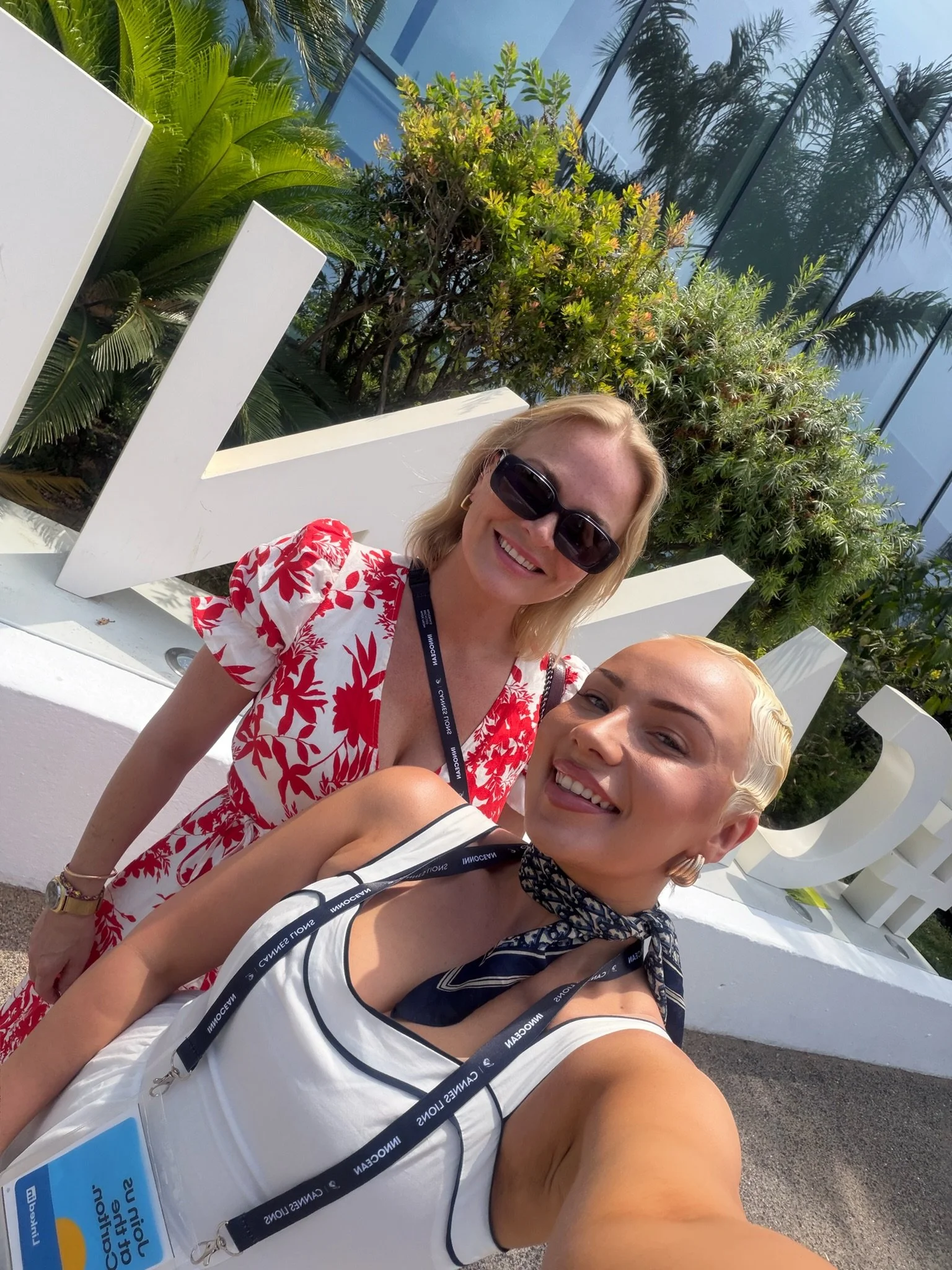
Saara Silvennoinen and Veera Kansanaho at Cannes Lions 2026
Oprah, Mel Robbins and the Moments That Actually Land
The sessions that stuck with us most were the ones where someone said something real.
Oprah Winfrey received the 2026 Cannes LionHeart Award, one of the festival's highest honours, given to individuals who have used their platform to drive meaningful and lasting positive change. Her session on the Lumière Theatre stage on Tuesday morning was one of those moments where a room of thousands goes completely quiet. She spoke about what it actually means to build something that lasts, sharing that she never set out to build a brand at all. Her answer to how she became one of the most recognised names in the world was simple: she focused on intention, alignment and purpose rather than strategy. Influence without alignment, she suggested, is inherently fragile. For anyone building a brand or a business, that idea landed hard.
Mel Robbins spoke at Lions Creators and brought an energy that was straight-talking, practical and with no fluff. She walked through how she tests ideas through social posts before committing to them, how she turns everyday observations into content people share, and how she treats brand partnerships as real relationships rather than one-off deals. Her podcast was Apple's number one show in 2025, and after watching her speak it was obvious why. None of it is luck. It is the result of consistently showing up and doing the work.
Both of them were making the same point in very different ways. What creates real lasting impact is not how big your reach is or what tools you have access to. It is whether people trust you. That felt like the theme running through the whole week.
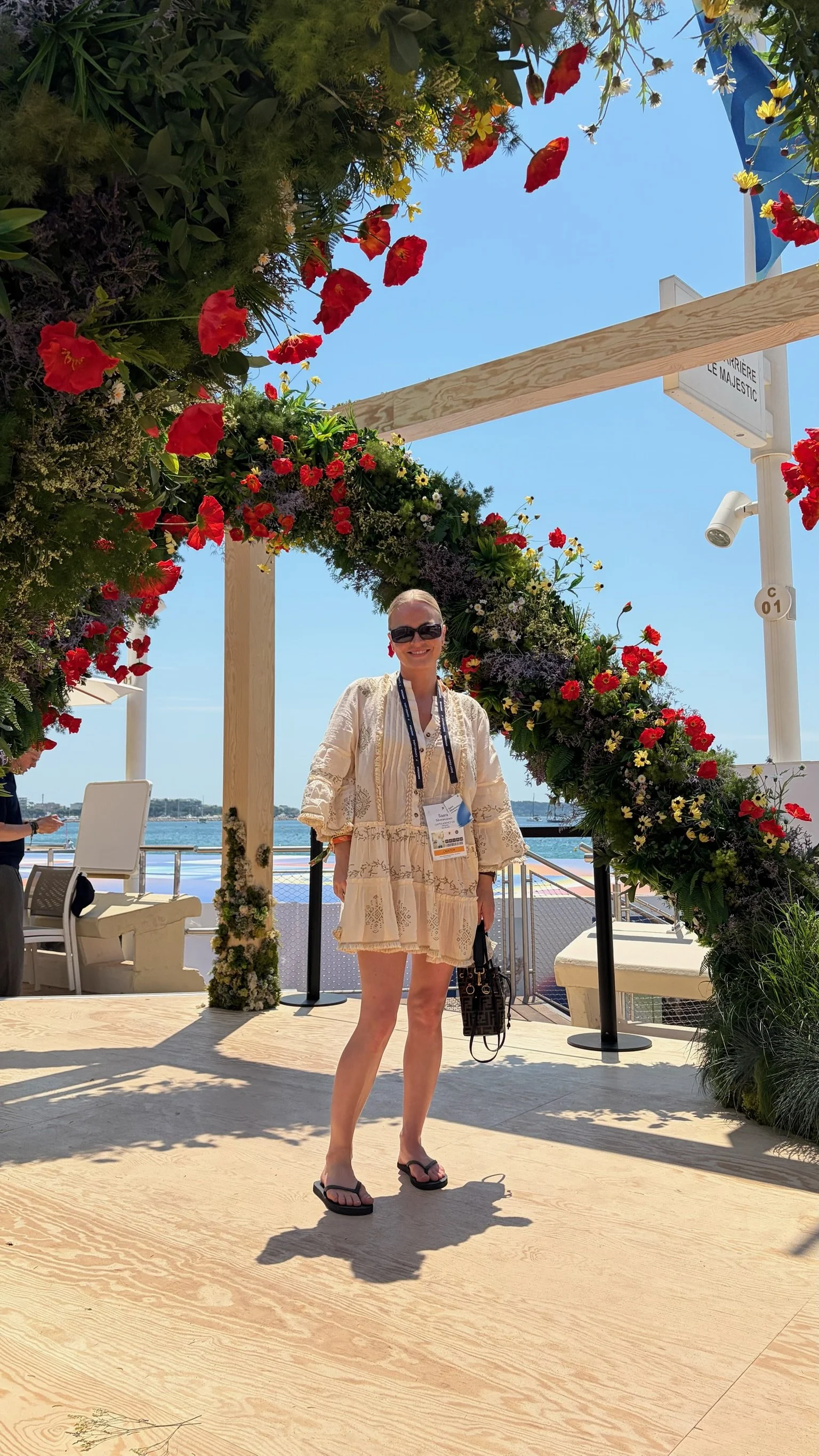
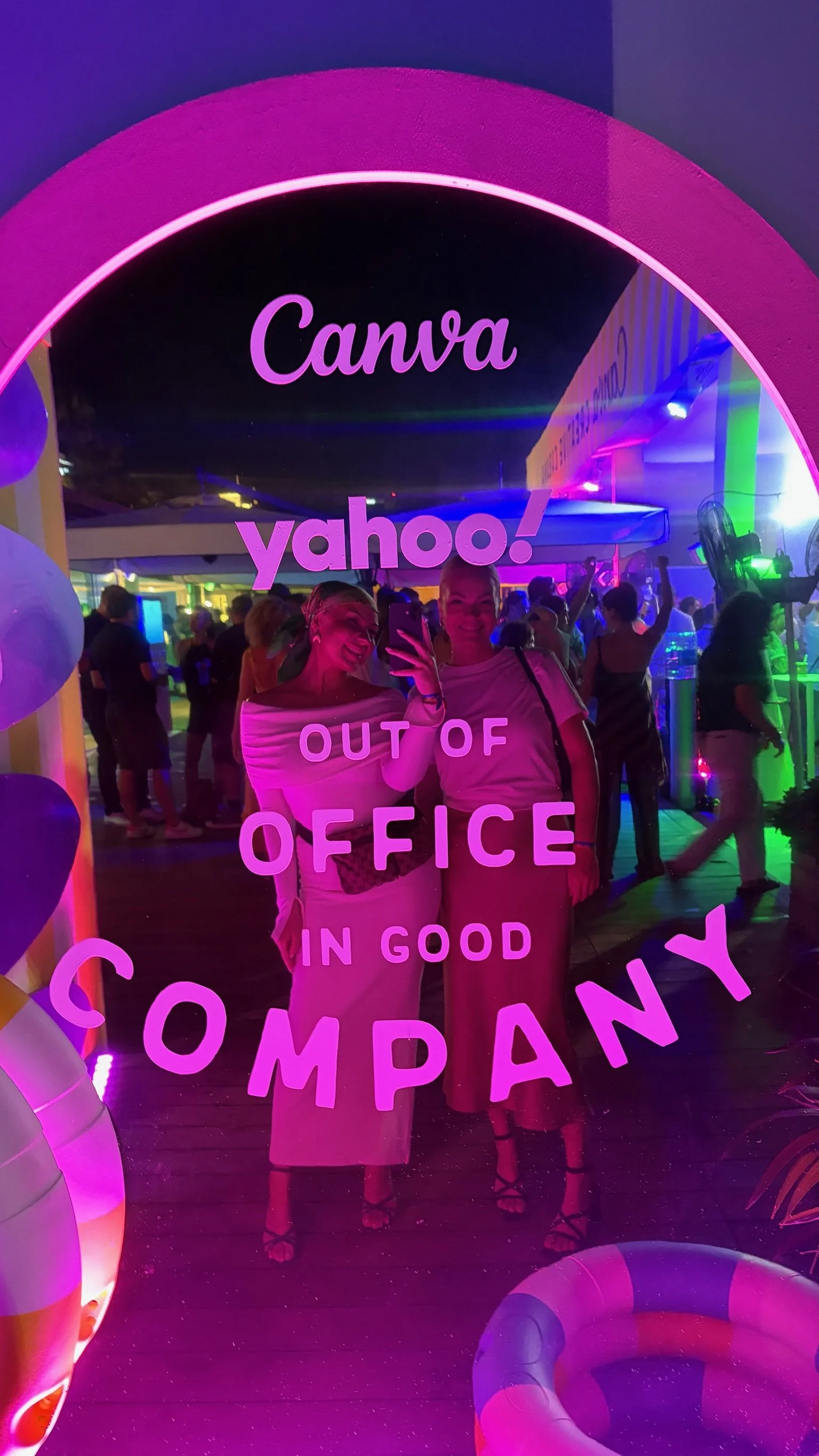
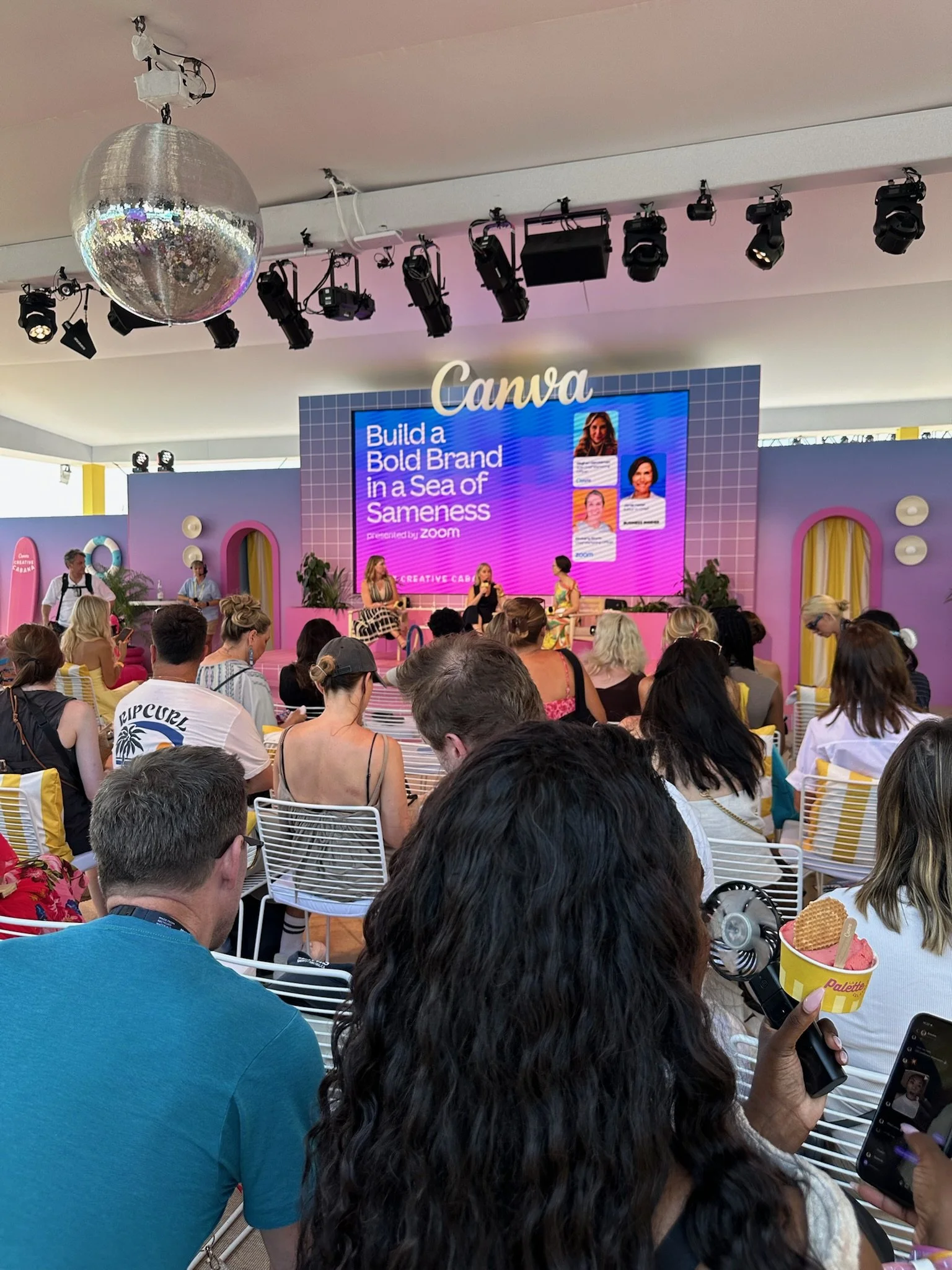
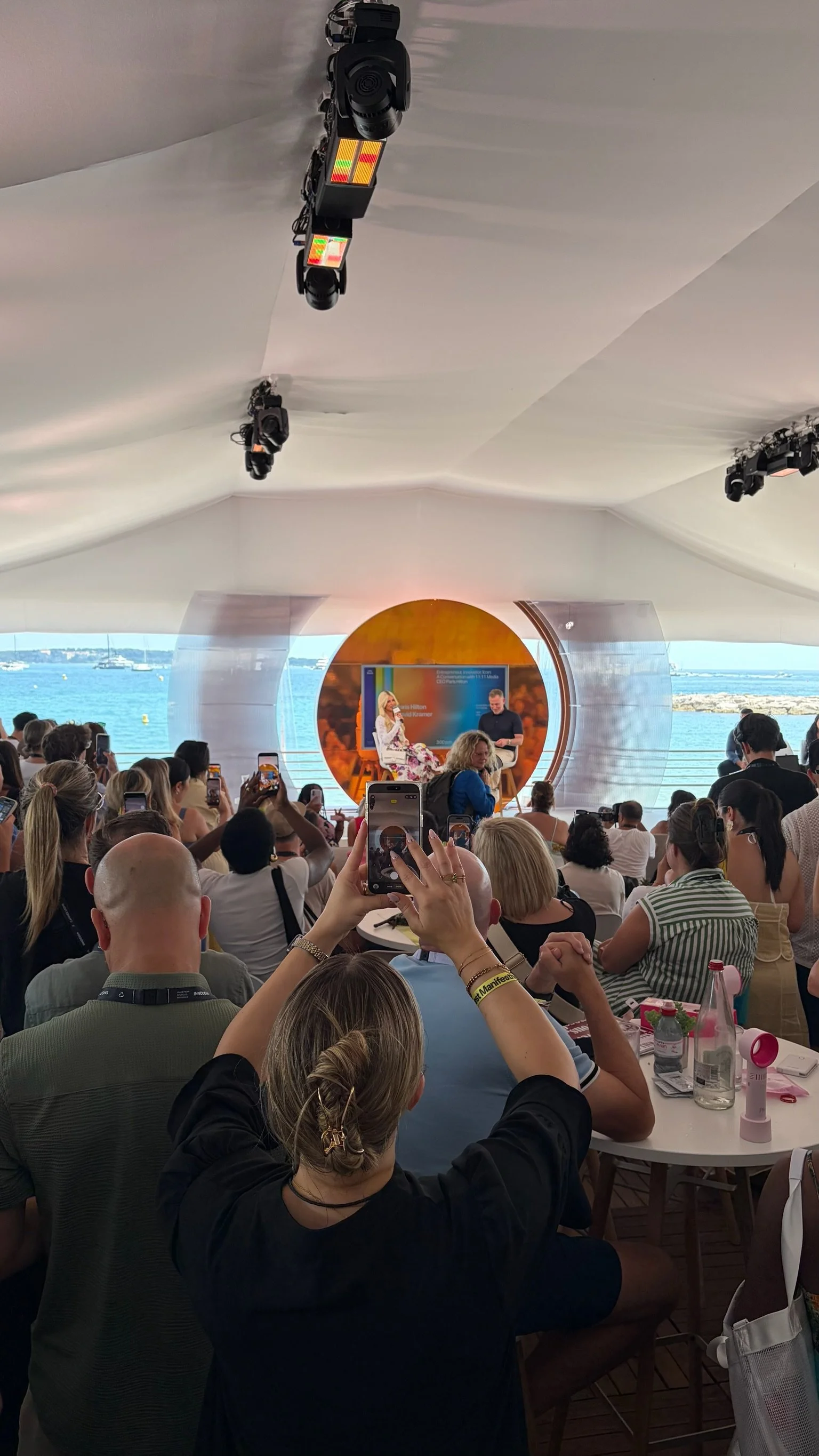
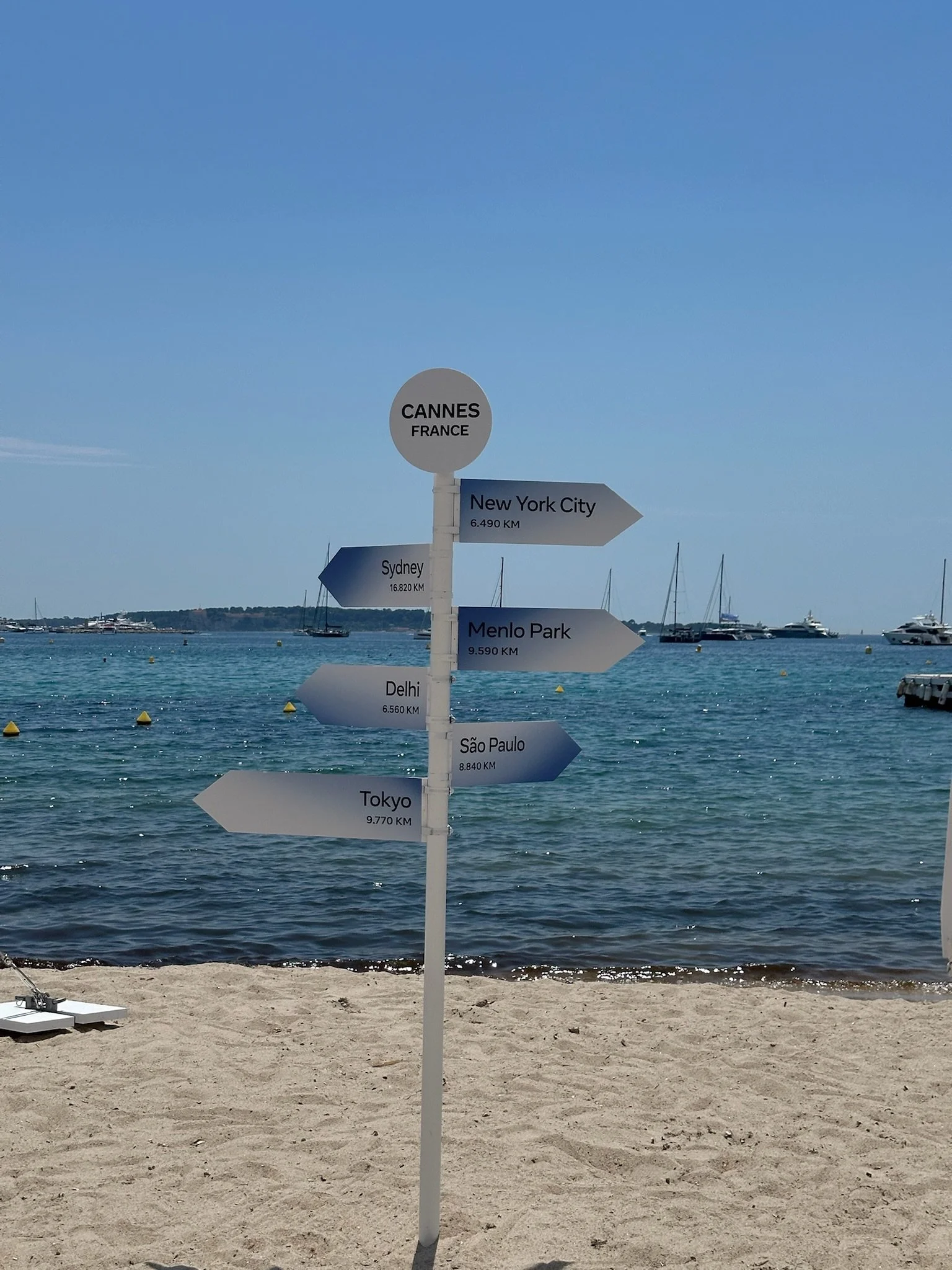
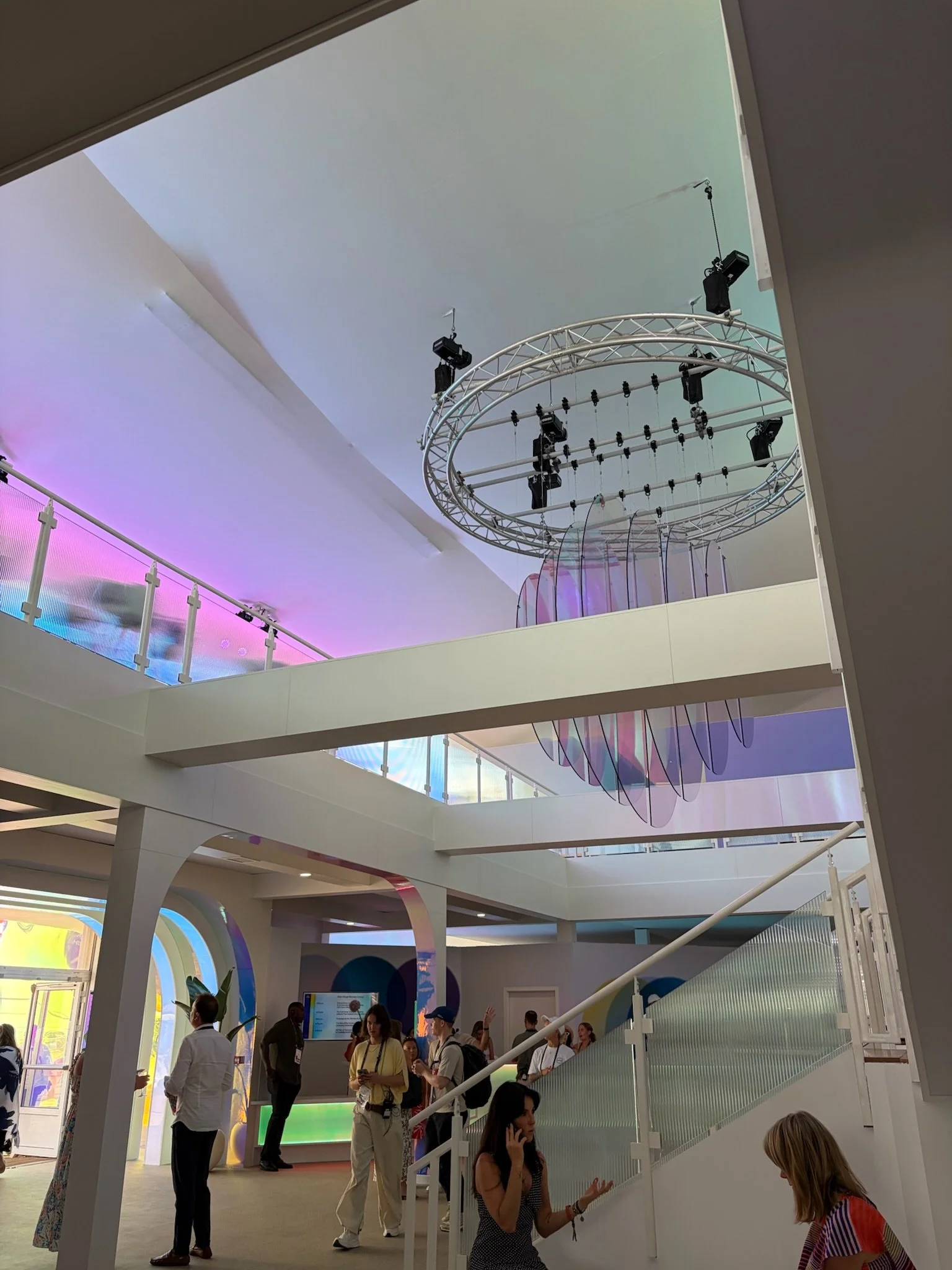
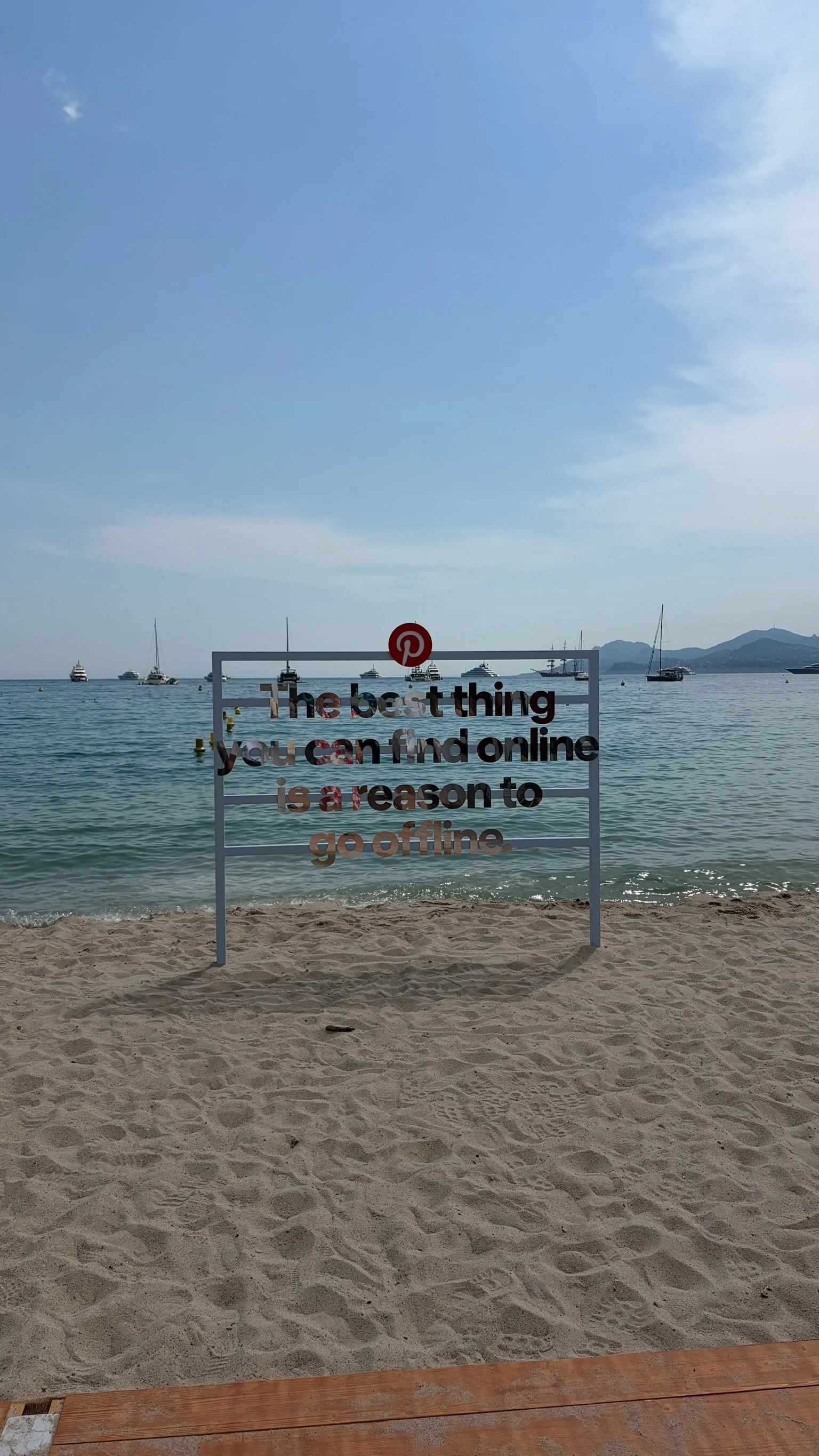
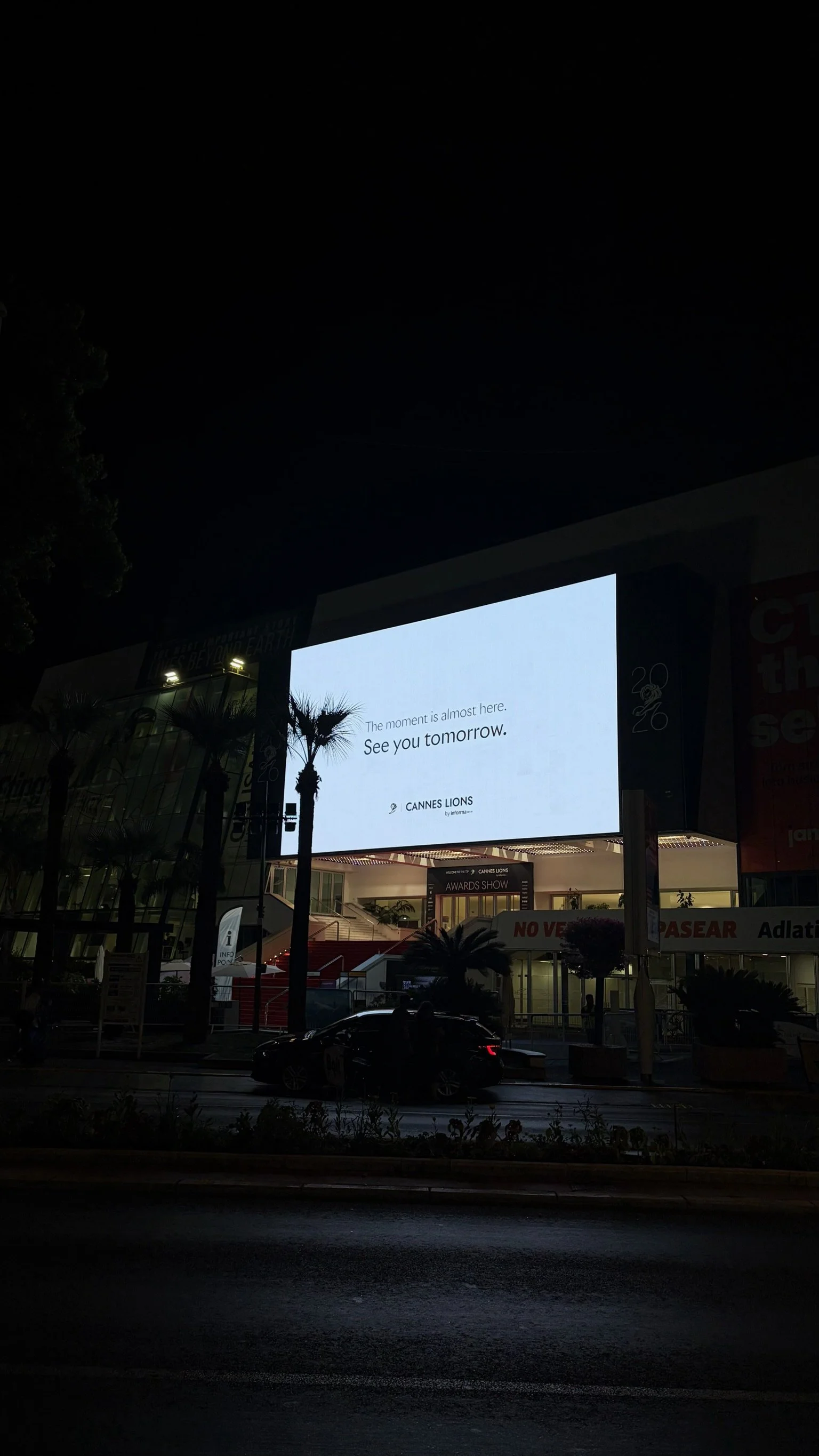
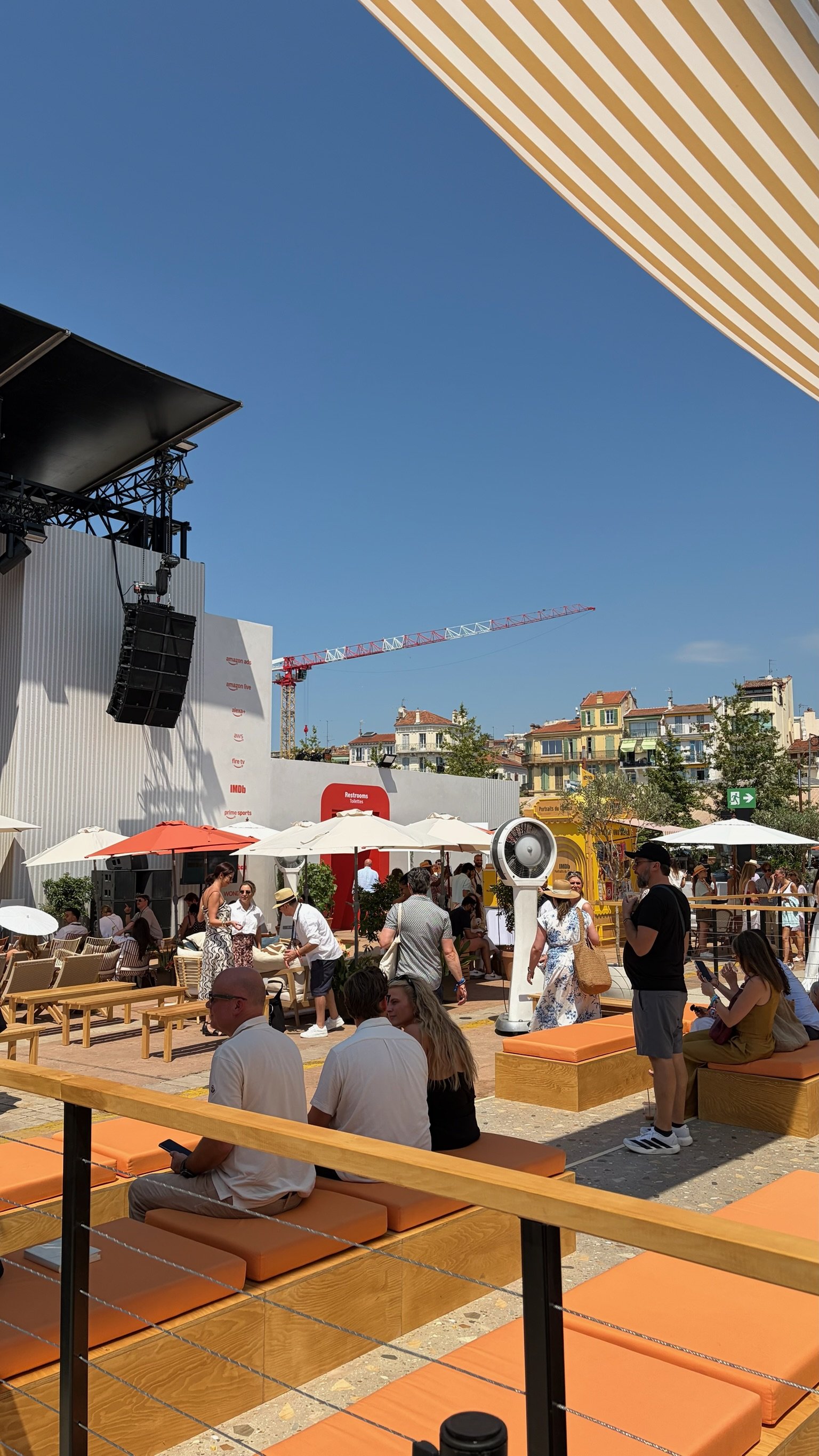
Spotify Beach and why being there in person still matters
Nothing quite prepares you for Spotify Beach. This was its 12th year at Cannes, and the whole space was built around the theme of fandom, with every element designed to make that idea feel real rather than just decorative.
During the day there were conversations with Troye Sivan, Anderson .Paak and Spotify co-CEO Alex Norström about what it really takes to build an audience that genuinely cares. Jay Shetty joined for a session on the cultural power of fandom. The interactive areas, where you could build a custom matcha at the Coffee Bar or create a personalised playlist postcard to send to friends, brought Spotify's digital world into something you could actually touch and feel.
The evenings were something else entirely. Night one featured performances from Mike D of Beastie Boys, Central Cee and RAYE, with RAYE closing the night to a crowd that clearly did not want to go home. Night two brought Lykke Li, Mumford & Sons and John Summit, with Marcus Mumford leaving the stage to join the crowd during one song. It was the kind of night that is hard to describe to someone who was not there.
What Spotify showed is that in a world where you can generate endless content with AI, the one thing you cannot replicate is a moment that happens in real life with real people. Standing there on the beach, that argument was pretty hard to argue with.
AI is a tool, not a strategy
AI was all over Cannes 2026. Around 40% of all award submissions involved AI in some way, and agentic AI, which refers to systems that can work independently without needing constant human direction, was the topic everyone kept coming back to. The real conversation was not about whether to use it. It was about how to use it in a way that genuinely changes your results rather than just speeding things up.
Nearly 60% of marketers now use AI several times a week, but only around 10% have actually changed how they work to get real value from it. That gap is where the opportunity is. The idea that resonated most with us was this: AI does not replace good people, it shows you who they are. As AI takes on more of the routine work, the things that matter more are judgment, creativity, taste and the ability to build real relationships. None of those can be automated. The best work at Cannes this year used technology but was unmistakably human at its core.
This matters a lot in the creator space specifically. AI can process signals that humans simply cannot hold in their heads at once: engagement patterns, audience sentiment, content consistency, brand fit across hundreds of data points. But it takes human expertise to interpret what that data actually means for a specific brand, a specific campaign, a specific goal. The magic is in combining both, and that is something very few in the industry are doing well yet.
The Creator economy has grown up
More than 500 creators came to Cannes this year, and their presence was felt everywhere. The most sought-after invites of the week were not the big panel sessions. They were the smaller gatherings, the rooms where brand leaders and creators were just talking to each other, figuring out what they might build together.
The numbers behind this are significant. The U.S. influencer market is on track to reach $44 billion this year, up 18% year on year, while the broader global creator economy is valued at around $250 billion. But the more telling shift is not in the size of the budgets. It is in how the money is being spent. In 2024, just 23% of influencer arrangements used performance-based compensation, meaning payment tied to real outcomes rather than a flat fee for a post. By 2026 that figure has jumped to 53%. Brands are no longer willing to pay for reach alone. They want proof that the investment is working, and they are restructuring how they work with creators to get it.
What was also clear is how much of influencer marketing still runs on gut feel. Brands pick creators based on follower counts and aesthetics, with very little data driving the actual decision. The conversations at Cannes kept circling back to the same problem: reach is easy to measure, but the right fit is much harder to identify. And yet the fit is everything. A creator with a smaller but deeply aligned audience will outperform a big name with mismatched followers every single time. The brands that are figuring this out are pulling ahead fast.
What we are taking forward
Leaving Cannes for the first time, what strikes us most is how much the week confirmed things we already believed. That relationships are what give businesses a real edge. That trust builds in ways that no ad budget can shortcut. That the time you invest in the people around you is never wasted.
We came as first-timers and are heading home with a long list of people to stay in touch with, ideas to act on and a very clear feeling that we will be back next year.
At Luota AI, we are building exactly for the world Cannes described this week. A platform that makes influencer marketing truly performance-driven, combining AI analysis with experienced specialists to help brands find the right creators based on data rather than assumptions. Because the creator economy is only going to keep growing, and the brands that win will be the ones making smarter decisions from the start.